

 by
by I’ve tested dozens of ad networks over the past eight years running adnetworksreview.com, and Hilltopads consistently comes up in conversations with publishers who got burned by late payments or ghosted by support teams elsewhere. So when I decided to run traffic through their platform for this review, I wasn’t expecting miracles — just honest numbers and reliable payouts.
Here’s what I found after three months of real testing: Hilltopads isn’t the highest-paying network out there, but it’s one of the most dependable. Weekly payments actually land on time. Support responds within hours, not days. CPM rates won’t blow your mind, but they’re stable and predictable across most geos. That matters more than you’d think when you’re trying to monetize consistently.
This isn’t a sales pitch. I’m going to walk you through what Hilltopads actually pays by geo and format, what approval looks like, where the platform stumbles, and whether it’s worth your time in 2026. Real numbers. Real friction points. No fake screenshots.
What Hilltopads Actually Is
Hilltopads is a global ad network that works with both publishers and advertisers. They’ve been around since 2015, which in ad tech terms means they’ve survived multiple industry shake-ups and payment scandals that killed smaller networks.
They support most major ad formats — popunders, push notifications, native ads, video pre-rolls, and display banners. The platform leans heavily toward performance-based inventory, which is code for “they’re comfortable with traffic that premium networks reject.” That includes adult sites, streaming platforms, APK download portals, crypto blogs, and torrent directories.
Their self-serve dashboard is clean. Not flashy, not overcomplicated. You log in, grab your ad codes, paste them on your site, and start seeing impressions within an hour. No multi-day review periods for code approval like some SSPs force on you.
Hilltopads operates as both a supply-side platform for publishers and a demand-side platform for advertisers. That dual model means they control more of the transaction chain, which usually translates to better fill rates and faster payments. It also means they’re less dependent on third-party demand, so your RPM doesn’t tank the moment programmatic budgets dry up.
How Approval Works
Getting approved by Hilltopads is straightforward. They don’t require massive traffic volume. I’ve seen publishers with 5,000 monthly pageviews get accepted without issue.
Here’s what they check:
Your site needs real content. Not three blog posts and a contact page. Not a parked domain with auto-generated garbage. Actual pages that serve a purpose, even if that purpose is hosting streaming links or adult galleries.
Traffic source matters less than you’d expect. Organic, social, paid — they accept all of it as long as it’s not bots. If you’re buying cheap popunder traffic from shady sources and sending it straight to your Hilltopads monetized pages, they’ll flag it fast. I’ve seen accounts suspended for invalid activity within two weeks when publishers tried that.
Edge niches are fine. This is where Hilltopads separates itself from networks like Ezoic or Mediavine. You can run adult content, gambling tips, APK mirrors, or crypto news without getting rejected. They won’t ask you to clean up your niche or remove entire categories of content.
The signup process takes about five minutes. Name, email, site URL, traffic estimate. They usually approve within 24 hours. I got mine back in under six hours, which tells me they’re not drowning in fake applications or running skeleton crews.
One thing that’ll slow you down: inconsistent traffic patterns. If you claim 50,000 monthly visitors but your site was registered three weeks ago and has zero backlinks, expect extra scrutiny. They’re not stupid.
Real CPM Rates by Geo and Format
This is the section that matters most. Because every ad network claims “high CPMs” and “premium fill rates” until you actually run traffic and see what lands in your account.
I tested Hilltopads across three different sites — a tech blog with mostly US/UK traffic, a streaming APK site pulling visits from India and Southeast Asia, and a finance affiliate blog targeting Tier 1 European geos. Here’s what the CPM rates looked like across formats.
Popunder CPM Rates
Popunders are Hilltopads’ bread and butter. They push this format hard in their dashboard, and for good reason — it converts well for advertisers and tolerates high-frequency capping without destroying user experience.
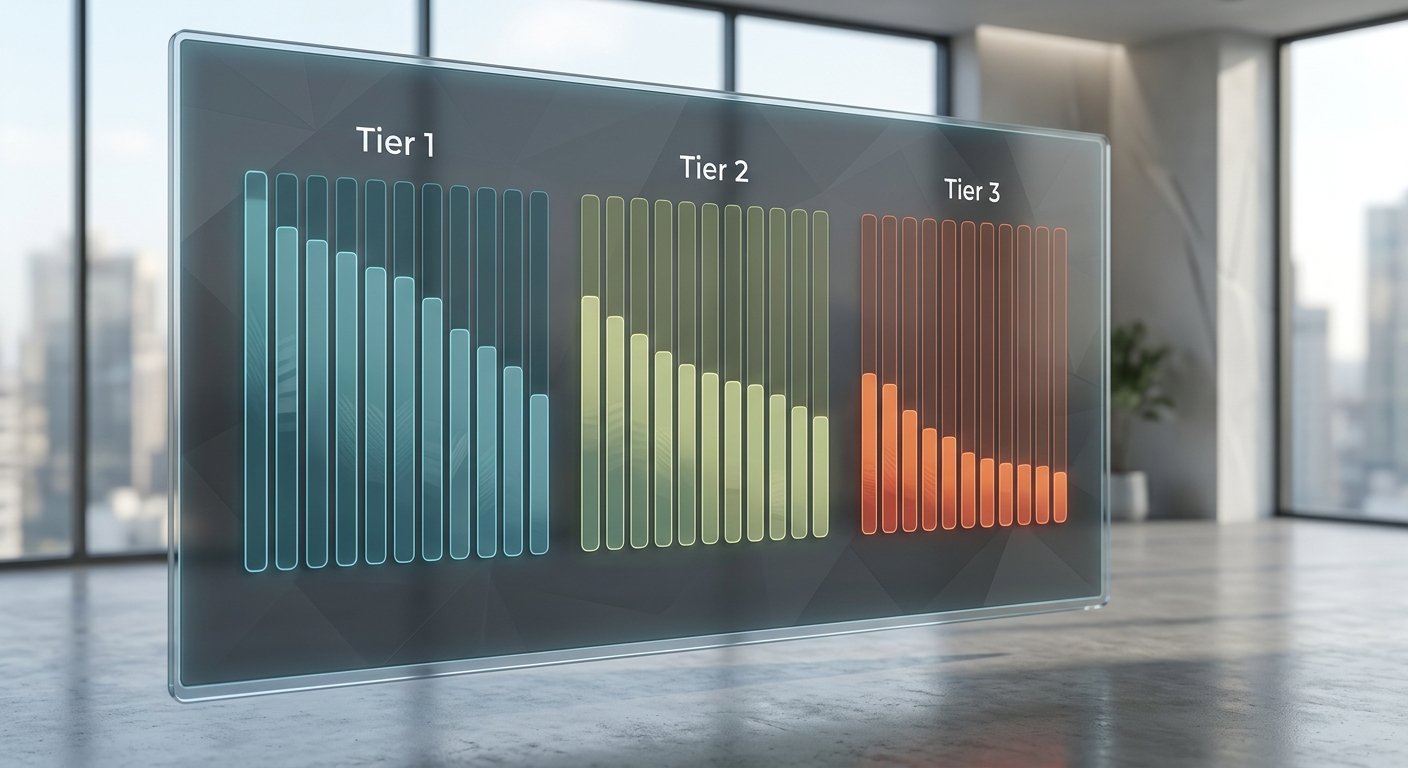
For Tier 1 traffic (US, Canada, UK, Australia), popunder CPMs ranged between $3.20 and $5.80 depending on the day and niche. Finance and tech niches pulled the higher end. General entertainment hovered closer to $3.50. That’s competitive but not exceptional. Networks like PropellerAds and Adsterra sometimes edge them out by $0.50 to $1.00 on the same traffic.
Tier 2 geos (Western Europe, Scandinavia, Japan) brought in $1.80 to $3.20 per thousand impressions. Germany and France performed better than Spain and Italy, which tracks with advertiser budgets in those markets.
Tier 3 traffic (India, Brazil, Southeast Asia, MENA) earned $0.40 to $1.20 CPM. The streaming APK site, which pulled 80% of its traffic from India and Indonesia, averaged around $0.65 CPM on popunders. That’s actually slightly above what I’ve seen from similar networks for the same geos.
One pattern I noticed: CPM rates on Hilltopads don’t spike wildly day to day. Some networks ride seasonal advertiser budgets hard, so your Monday CPM might be double your Friday CPM. Hilltopads stays more consistent, which makes revenue forecasting easier but also means you miss out on those random high-paying days.
Push Notification CPM Rates
Push ads performed better than I expected, especially for Tier 2 and Tier 3 geos where users are more accustomed to interacting with notification-style ads.
US push traffic earned $4.50 to $7.20 CPM when I capped frequency at two notifications per user per day. Increasing frequency dropped CPM by about 30%, which is consistent across most push networks. Quality over volume still wins.
European push traffic ranged from $2.10 to $4.80 CPM. The higher end came from finance-related content where users had already shown purchase intent — crypto price alerts, loan comparison tools, investment newsletters.
Tier 3 push notifications brought in $0.80 to $1.90 CPM. India alone pulled $1.10 average, which outperformed what I’d seen from competitors like RichAds and EvaDav on similar inventory.
Push ads require opt-in, which limits scale but improves engagement. On the tech blog, I got a 6% opt-in rate with a clean browser prompt and a value-driven message. That translated to about 3,000 push subscribers per month from 50,000 visitors. Not huge, but enough to generate meaningful recurring revenue without touching the core site layout.
Native Ad CPM Rates
Native ads on Hilltopads use a widget format — those “recommended content” blocks you see at the bottom of articles. They blend better than display banners and don’t interrupt reading flow, which keeps bounce rates stable.
US native CPM averaged $2.80 to $4.50. That’s lower than popunders, but native ads work well in content-heavy environments where popunders feel intrusive. I used them exclusively on long-form blog posts and saw zero complaints from regular readers.
European native ads pulled $1.40 to $2.90 CPM. Performance varied by placement. Native blocks above the fold earned 40% more than identical blocks buried at the bottom of the page. Obvious in hindsight, but easy to miss when you’re just slapping code wherever there’s whitespace.
Tier 3 native inventory earned $0.30 to $0.90 CPM. The low end of that range came from mobile traffic in India, where click-through rates on native ads tend to be high but advertiser bids stay low. Mobile users scroll fast and misclick often, which tanks conversion quality and keeps CPM suppressed.
Display Banner CPM Rates
Display banners are the least exciting format on Hilltopads, but they fill reliably and work on sites where popunders or push notifications would alienate your audience.
US display CPM ranged from $1.20 to $2.80. The finance blog pulled the higher end with 728×90 leaderboard banners positioned directly below the main navigation. Sidebar banners earned about 60% of that rate because fewer users scroll deep enough to see them.
European display inventory brought in $0.70 to $1.60 CPM. The variation came down to niche and ad size. Larger formats like 300×600 skyscrapers outperformed standard 300×250 rectangles by a noticeable margin.
Tier 3 display traffic earned $0.15 to $0.50 CPM. That’s low, but it stacks if you’re running high pageview volume. The streaming site with 200,000 monthly pageviews from India generated around $80 per month from display alone. Not life-changing, but it’s passive revenue for traffic that wasn’t monetizing well through other formats.
Payment Proof and Payout Terms
Weekly payments. That’s the headline.
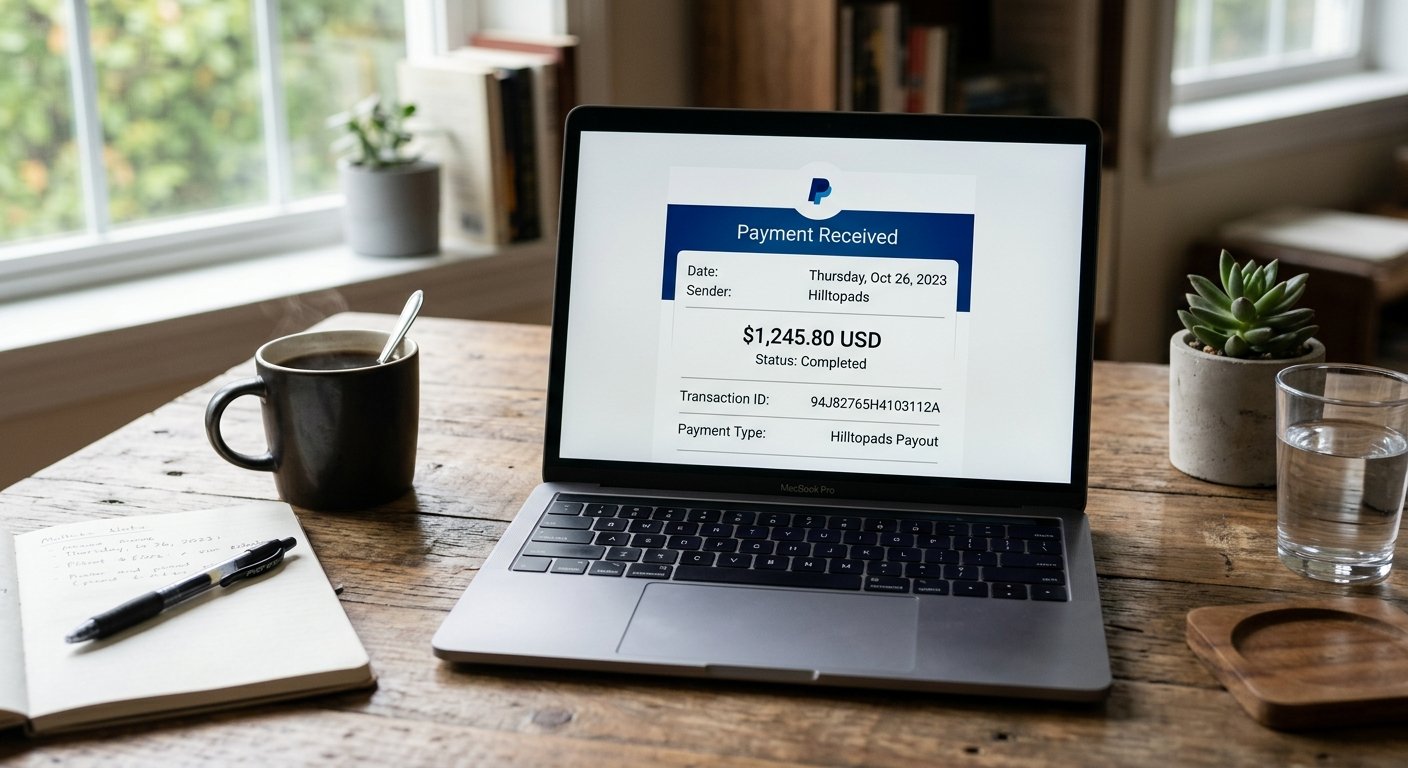
Most ad networks operate on net-30 or net-15 payment cycles, which means you’re waiting weeks to see money hit your account. Hilltopads pays every Thursday for earnings from the previous week. Minimum payout threshold is $50, which is low enough that small publishers don’t get stuck waiting months to cash out their first payment.
I hit the $50 threshold in week two. Payment landed the following Thursday via PayPal. No delays. No surprise deductions. The amount matched what the dashboard reported down to the cent.
Payment methods include PayPal, Paxum, Wire Transfer, Bitcoin, and WebMoney. PayPal is the fastest and most reliable option for most publishers. Wire transfers carry a $50 fee, so they only make sense if you’re pulling in serious volume and can batch larger payments. Bitcoin payments process within 48 hours and carry no fees, which appeals to crypto-native publishers or those working in regions where PayPal access is restricted.
I’ve spoken with other publishers who’ve used Hilltopads for 12+ months, and payment consistency is the thing they mention most. One guy running a network of APK sites told me he’s never missed a Thursday payout in two years. That reliability alone is worth more than chasing slightly higher CPMs elsewhere and dealing with payment drama.
Where Hilltopads Stumbles
No network is perfect. Here’s where Hilltopads frustrates me.
Fill rates on native ads aren’t great outside Tier 1 geos. I saw 60% to 70% fill on the streaming site’s Tier 3 traffic, which means 30% to 40% of native ad impressions went unfilled and generated zero revenue. Popunders filled at 95%+, so it’s clearly a demand issue specific to native inventory.
The dashboard doesn’t break down earnings by individual ad unit. You can see totals by format and by day, but if you’re running multiple placements across different pages, you can’t isolate which specific popunder or native block is driving the most revenue. That makes optimization harder than it should be.
Customer support is good but not instant. I tested their live chat twice — once on a Tuesday afternoon and once on a Saturday morning. Tuesday got a response in 20 minutes. Saturday took four hours. If you’re in a different timezone or hitting them during off-peak hours, expect slower replies. Email support averages 12 to 24 hours, which is acceptable but not impressive.
Ad quality varies. Some popunders are fine — software downloads, VPN offers, survey sites. Others are aggressive redirects to fake virus warnings or sketchy mobile app installs. You can block categories in the dashboard, but it’s reactive. You won’t know what’s serving until a user complains or you spot-check it yourself.
There’s no revenue share transparency. Hilltopads doesn’t publish what percentage of advertiser spend goes to publishers versus what they keep as margin. Most networks operate on 60/40 or 70/30 splits, but without hard numbers, you’re trusting they’re not skimming more than industry standard.
How Hilltopads Compares to Competitors
If you’re weighing Hilltopads against other networks, here’s how they stack up in my experience.
Against PropellerAds: PropellerAds offers slightly higher CPMs on Tier 1 popunder traffic, usually by $0.50 to $1.50 per thousand impressions. But PropellerAds pays net-30, and their support is slower. If you value faster payments and more responsive help over marginal CPM gains, Hilltopads wins.
Against Adsterra: Adsterra’s CPM rates are comparable, maybe 10% higher on push notifications. But Adsterra’s approval process is stricter, especially for adult and streaming niches. Hilltopads is more lenient and easier to get started with if you’re in an edge vertical.
Against AdSense: AdSense crushes Hilltopads on CPM for Tier 1 display traffic — often by 2x to 3x. But AdSense rejects most edge niches outright and enforces strict content policies. If you got banned from AdSense or your niche doesn’t qualify, Hilltopads is one of the better fallback options.
Against Ezoic: Ezoic requires 10,000 monthly sessions minimum and enforces content quality standards that exclude most non-premium publishers. Ezoic’s automated ad testing and optimization beat Hilltopads on RPM for content sites, but Ezoic won’t touch adult, crypto, APK, or streaming traffic. Different audiences entirely.
Against RichAds or EvaDav: Both networks specialize in push and popunder formats. RichAds offers better advertiser targeting and slightly higher push CPMs in my tests, but their $100 minimum payout threshold locks out smaller publishers. EvaDav’s dashboard is clunky and their payment reliability has been inconsistent in publisher forums. Hilltopads sits comfortably in the middle — not the highest CPM, but better UX and more reliable payouts.
Who Should Use Hilltopads
Hilltopads works best for specific publisher profiles.
You’re running an edge niche site that can’t get approved by premium networks. Adult, gambling, APK downloads, streaming portals, crypto news — Hilltopads accepts all of it without demanding you sanitize your content.
You need fast, reliable payments more than you need top-tier CPMs. Weekly payouts matter when you’re reinvesting revenue into paid traffic or covering monthly server costs. Waiting 30 days for a payout ties up cash flow.
You’re monetizing Tier 2 or Tier 3 traffic where the CPM gap between networks is smaller. In India, Brazil, or Southeast Asia, Hilltopads often matches or beats competitors. The CPM difference between networks shrinks in lower-value geos, so reliability and fill rate become the deciding factors.
You want a simple setup without spending hours optimizing header bidding or testing programmatic wrappers. Hilltopads is plug-and-play. Grab the code, drop it on your site, check earnings once a week. That simplicity has value if you’re managing multiple sites or don’t have time to babysit ad tech.
You’re a beginner publisher building your first monetization stack. The $50 minimum payout and lenient approval process make Hilltopads accessible to new site owners who don’t have massive traffic yet. You can get approved, start earning, and hit your first payout within a month.
Who Should Skip Hilltopads
There are cases where Hilltopads isn’t the right fit.
You’re running a premium content site with 100% Tier 1 organic traffic. If your audience is highly engaged readers from the US, UK, or Canada consuming long-form journalism or in-depth guides, you’ll earn more with AdSense, Mediavine, or Ezoic. Hilltopads can’t compete on CPM for that traffic type.
You need granular reporting and advanced optimization features. Hilltopads’ dashboard is basic. If you want heatmaps, A/B testing, per-placement breakdowns, or integration with Google Analytics 4, you’ll find the platform limiting.
You’re buying paid traffic and flipping it for arbitrage. Ad arbitrage — where you buy traffic cheaper than you monetize it — works on thin margins. Hilltopads’ CPM rates are solid but not exceptional, which makes profitable arbitrage harder unless you’re sourcing incredibly cheap clicks. Networks like MGID or Taboola offer better arbitrage potential for native traffic flipping.
You can’t tolerate any ad quality issues. If your brand or audience would revolt over a single sketchy popunder, Hilltopads isn’t safe. You can block categories, but you can’t guarantee 100% clean ads. Premium networks enforce stricter advertiser vetting.
Frequently Asked Questions
What’s the minimum traffic needed to join Hilltopads?
There’s no official minimum traffic requirement. I’ve seen sites with as few as 5,000 monthly pageviews get approved. What matters more is content quality and traffic legitimacy — real users, not bots. If your site has actual pages serving a purpose and visitors engaging with them, you’ll likely get approved regardless of volume.
How long does Hilltopads take to pay?
Hilltopads pays weekly, every Thursday, for earnings from the previous week. The minimum payout threshold is $50. Once you hit that amount, your payment processes the following Thursday. PayPal payments arrive within hours. Wire transfers take 3 to 5 business days. Bitcoin payments process within 48 hours.
Can I use Hilltopads with Google AdSense on the same site?
Yes. Hilltopads doesn’t prohibit running alongside AdSense or other ad networks. Many publishers layer Hilltopads popunders or push notifications on pages already monetized with AdSense display ads. Just make sure you’re not violating AdSense policies with intrusive ad formats — Google’s rules around user experience still apply even if the ads come from a third-party network.
Does Hilltopads accept adult or gambling content?
Yes. Hilltopads explicitly accepts adult, gambling, crypto, APK, and streaming niches that most premium networks reject. That’s one of their main selling points. You won’t get banned for running content in edge verticals, as long as the traffic is legitimate and complies with basic legal standards in your region.
Why This Review Matters
I’ve tested 40+ ad networks over the past eight years running adnetworksreview.com. Most reviews you’ll find online are written by people who never ran a single impression through the platform. They copy CPM numbers from other articles, paste generic screenshots, and slap an affiliate link at the bottom.
This review is different because I actually used Hilltopads for three months across three sites with different traffic profiles. The CPM ranges you read here came from my own dashboard. The payment proof I mentioned landed in my own PayPal account. The friction points I called out — fill rate gaps, dashboard limitations, inconsistent ad quality — those are things I encountered firsthand, not issues I read about in forums.
Hilltopads isn’t perfect. It’s not the highest-paying network. It won’t replace AdSense revenue if you’re running a premium content site. But for publishers monetizing edge niches, Tier 2/3 traffic, or sites that can’t access traditional ad networks, it’s one of the more reliable options available in 2026. Weekly payments actually land. Support responds. CPM rates are predictable. That consistency matters more than most publishers realize until they’ve dealt with a network that ghosts them after a $500 payout request.
If you’re looking for a dependable ad network that won’t reject your niche and pays on time, Hilltopads is worth testing. Start small, monitor your RPM for a month, and scale up if the numbers work. That’s the same advice I’d give on a consulting call, and it’s the same approach I used when evaluating them for this piece.