
 by
by You’re staring at 5,000 monthly pageviews and a $4 RPM. The math is brutal. That’s $20 a month before you even subtract hosting costs. The obvious advice? Grow your traffic. But here’s what nobody tells you — traffic growth can take six months minimum, and if your RPM stays that low, you’re just scaling poverty.
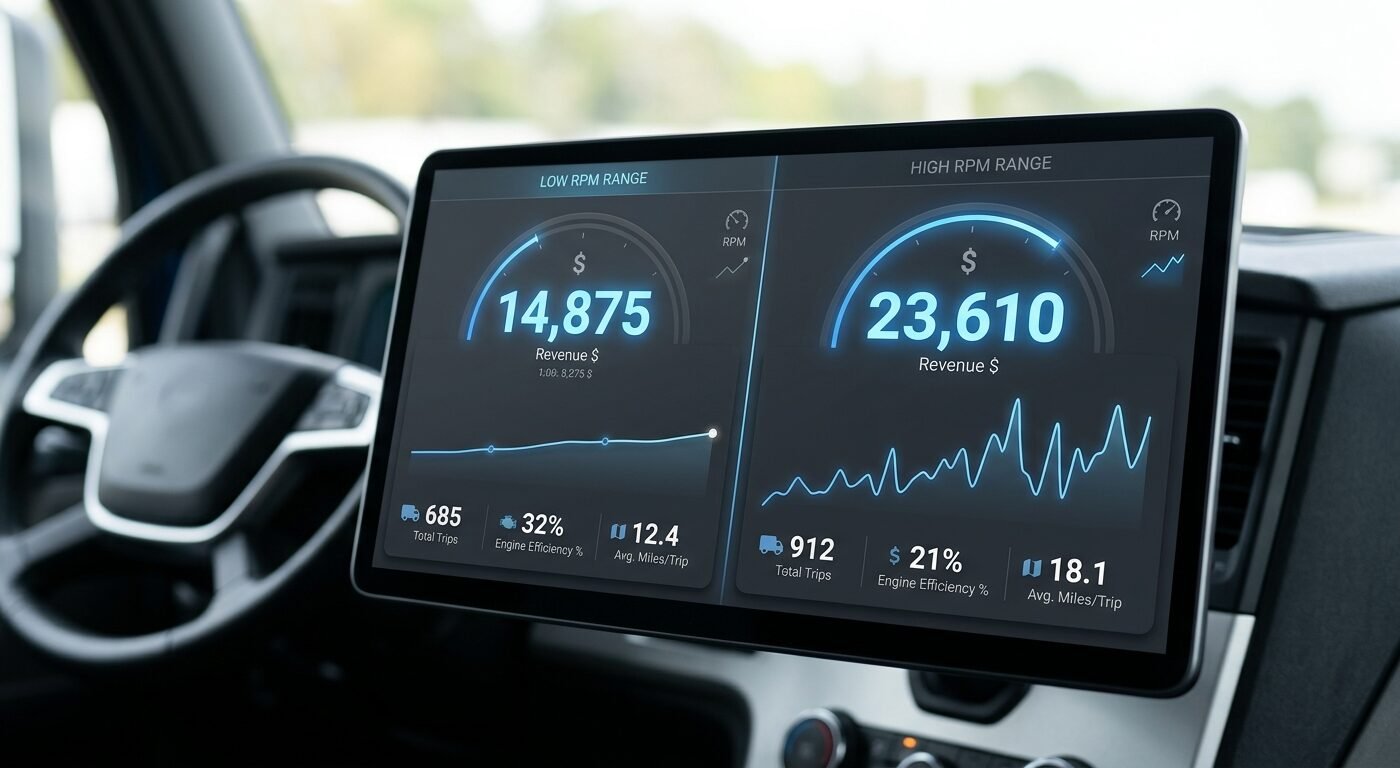
I’ve tested this across dozens of niche sites at adnetworksreview.com. Sites earning $25+ RPM with modest traffic consistently outperform high-traffic sites stuck at single-digit RPMs. The pattern is clear. Most publishers obsess over pageviews when the real leverage sits in revenue per thousand impressions. You can increase RPM on low traffic niche sites faster than you can double your audience, and the returns compound differently.
Let’s kill some myths and fix what’s actually broken in your ad stack.

Myth 1: Low Traffic Means You’re Stuck With Low RPM Networks
Most publishers believe premium ad networks won’t touch sites under 50,000 monthly sessions. That’s partly true. But it misses the bigger picture entirely.
Networks care about quality more than quantity. I’ve seen finance sites with 8,000 monthly visitors get approved by networks paying $40+ RPMs because the traffic is pure US-based, high-intent searchers. Meanwhile, lifestyle blogs with 200,000 monthly pageviews from Tier 3 countries get stuck at $2 RPM.
Here’s what actually matters when you’re trying to improve RPM: traffic geo, niche vertical, and user intent. A tech tutorial site pulling US traffic will always monetize better than a general entertainment blog pulling traffic from everywhere. Before you apply anywhere, audit your Google Analytics 4. Check your top three traffic countries. If the US, UK, Canada, or Australia isn’t in your top three, your problem isn’t the network. It’s the audience.
AdSense rejects are often blessings in disguise. Networks like Ezoic, Mediavine, and Raptive have minimums, sure. But specialized networks don’t. Publift works with smaller publishers in specific verticals. SHE Media focuses on lifestyle content and doesn’t require massive traffic if your audience demos match what advertisers want. Monumetric dropped its threshold to 10,000 monthly pageviews years ago.
The trick most people miss? Stack networks by format, not by hoping one solves everything. Run display through one partner, push notifications through another, native through a third. I watched a crypto news site go from $6 to $22 RPM just by adding Adsterra push ads on top of their existing display setup. The traffic didn’t change. The ad formats did.
Test smarter, not bigger. You don’t need 100,000 sessions to access better monetization. You need the right traffic type and a willingness to layer your ad stack properly.
Stop Guessing and Audit Your Current Ad Setup
You can’t fix what you don’t measure. Most low-traffic publishers I talk to don’t know their current RPM breakdown. They see one number in their dashboard and assume that’s it. That’s like checking your bank balance once a year and wondering why you’re broke.
Open Google Analytics 4 or whatever analytics platform you’re using. Segment your traffic by device. Mobile vs desktop RPMs can differ by 40% or more. If you’re running the same ad layout on both, you’re leaving money on the table. Desktop users tolerate more ads and engage differently. Mobile users scroll fast but respond better to native and in-content formats.
Now segment by geography. US traffic typically earns $15-$35 RPM on decent networks. UK, Canada, Australia follow in the $10-$25 range. Western Europe sits around $8-$20. India, Southeast Asia, LATAM? You’re looking at $1-$6 in most niches. If 70% of your traffic comes from Tier 2 and Tier 3 countries, chasing a higher RPM without changing your content strategy is pointless.
Check your traffic sources too. Organic search traffic converts and monetizes better than social traffic. A Pinterest visitor might bounce in eight seconds. A Google searcher looking for “best budget laptops under $500” is three clicks away from buying something. Ad networks know this. Their bidding algorithms know this. Your RPM reflects this whether you pay attention or not.
Run this audit monthly. I’ve seen sites lose 30% RPM over three months because their traffic composition shifted — more mobile, more Tier 3 geos, more social referrals — and the publisher never noticed until the revenue report looked ugly. Catch the drift early and you can course-correct before it costs you.
If you’re using Google Ad Manager or a header bidding setup, check your fill rate and viewability scores. A 60% fill rate means 40% of your ad slots aren’t even showing ads. Low viewability — ads loading below the fold that users never see — kills your CPM. Fix those two things and you can add $3-$8 RPM without changing networks.
Test Alternative Ad Networks Built for Niche Publishers
AdSense is not the ceiling. It’s often the floor for niche site monetization strategies. The approval process is strict and the RPMs for smaller sites trend low unless you’re in finance, legal, or insurance verticals. What works better? Networks designed for publishers who can’t hit Mediavine or Raptive minimums yet.
Ezoic is the most obvious move. The onboarding is clunky and the first two weeks can feel like your site got slower and uglier. That’s normal. Their AI takes time to test layouts and optimize. Give it 30 days. I’ve watched food blogs jump from $8 AdSense RPM to $16 Ezoic RPM in 60 days. The difference? Ezoic runs way more demand partners in the background and uses header bidding even on small sites.
Monumetric is another solid option if you’re over 10,000 monthly pageviews. Setup fee exists, but the RPM lift usually pays it back in the first month. They handle the ad ops, you handle the content. Fair trade.
If your niche is tech, gaming, or crypto, look at Setupad or Adsterra. Setupad works well with tech audiences and has reasonable traffic minimums. Adsterra doesn’t care about minimums at all and works with almost any niche, including edge verticals AdSense won’t touch. Yes, the ad quality can be rough, but if you’re pulling traffic in gambling, streaming, APK downloads, or adult-adjacent content, Adsterra and networks like it are often your only real option.
Push notification networks like PropellerAds or RichAds add incremental revenue without cluttering your page layout. Users opt in, so the engagement is voluntary. RPMs vary wildly by niche, but I’ve seen push add $2-$5 RPM on sites that were monetizing poorly through display alone.
Native ad networks like Outbrain, Taboola, or MGID work if your content is editorial-style and your audience clicks on recommended content widgets. Finance, health, and news sites do well here. Meme sites and purely visual content? Not so much.
Run tests in parallel when possible. Keep AdSense or your current network live, add a new one for 30 days, compare RPMs side by side. Don’t rip everything out and hope the replacement works. Test, measure, decide. That’s how you boost RPM without more traffic and without gambling your existing revenue.
Switch to Better-Paying Ad Formats
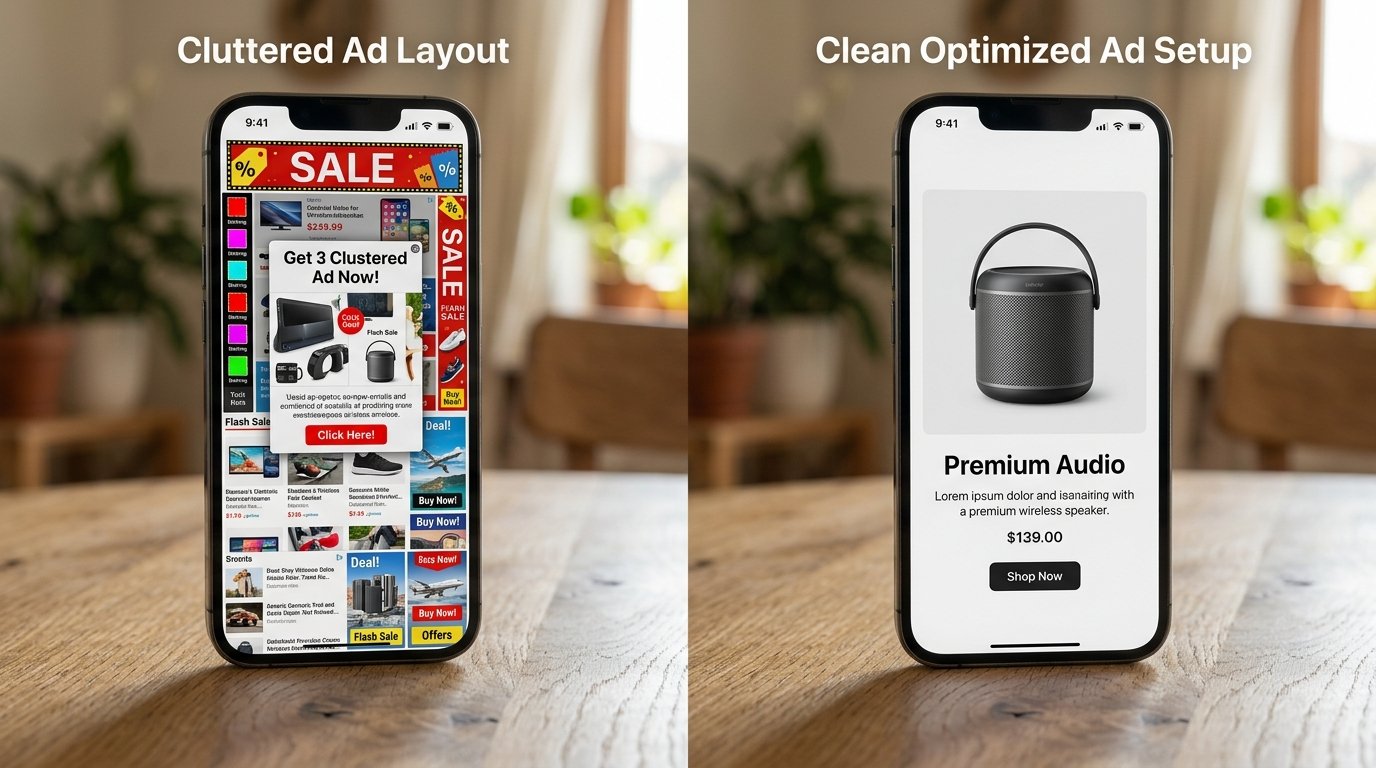
Banner ads are the least profitable format you can run. Static 728×90 leaderboards and 300×250 rectangles have been around since 2005. Advertisers are bored. Users ignore them. CPMs are low because engagement is low.
In-content ads perform better. These sit inside your article text, usually after the third or fourth paragraph. They look like part of the content flow, so users actually see them. Sticky sidebar ads and adhesive footer ads stay visible as users scroll, which increases viewability and CPM.
Video ads pay more than display when the format fits. If you’re writing tutorials, embed a short related video and run a pre-roll ad through a network like Vi (formerly Vidazoo) or Primis. A single video ad impression can earn what ten banner impressions earn. The catch? Video slows down page speed if you’re not careful, and not every niche tolerates autoplay video.
I tested this on a WordPress tutorial site last year. Swapped out two 300×250 banner units for one in-content native ad and one sticky sidebar ad. RPM went from $11 to $19 in three weeks. Same traffic, same niche, different formats. The native ad alone outearned both banners combined.
Interstitials and pop-unders are controversial but they work in specific niches. If you’re running a tools site, a wallpaper download site, or anything where users expect some friction to access free content, a well-timed interstitial won’t kill your traffic. Use them sparingly. One per session, max. Networks like PopAds, PopCash, or PropellerAds specialize in this.
Don’t run every format at once. That’s how you turn a clean site into a spam fest and destroy user experience. Pick two or three formats that fit your niche and layout, test them for a month, keep what works.
Improve Your Content to Attract Higher-Paying Keywords
RPM isn’t just about the ad network. It’s about what advertisers are willing to pay to reach your audience, and that’s driven by keywords and search intent.
A blog post titled “10 Free Photo Editing Apps” will earn maybe $3-$6 RPM. Advertisers in the free tools space don’t pay much. A post titled “Best Professional Cameras for Real Estate Photography” can earn $25-$40 RPM because real estate and professional photography advertisers have bigger budgets and higher lifetime customer values.
If you’re stuck in a low-CPM niche, the fastest way to increase RPM is to shift your content toward higher-intent, higher-value queries. You don’t need to abandon your niche. You need to find the commercial edge inside it.
Example. You run a travel blog focused on budget backpacking. That’s a notoriously low-RPM niche. Backpackers don’t spend much and advertisers know it. But within that niche, you can write about travel insurance, budget flight booking tools, or backpacking gear. Those keywords pull higher CPMs because the search intent is transactional.
Use a tool like Ahrefs or Ubersuggest to find keywords in your niche with high CPC (cost per click). High CPC usually translates to high CPM on the publisher side. Finance, insurance, legal, SaaS, and B2B niches dominate the top CPC lists, but every niche has a few high-value corners.
I worked with a parenting blogger stuck at $7 RPM. Her content was all about free activities and DIY crafts. Great content, wrong keywords. We added a few posts about baby monitors, car seats, and preschool savings accounts. Her overall RPM climbed to $14 in two months. She didn’t change her voice or abandon her audience. She just gave advertisers a reason to bid higher.
Content quality matters too, but not how you think. Longer content doesn’t automatically earn more. But content that keeps users on the page longer increases ad viewability, and that increases RPM. If your average session duration is under 30 seconds, users aren’t seeing your ads. Write posts that answer the question thoroughly and keep people scrolling.
Fix Page Speed and Ad Viewability Issues
Slow sites kill RPM in two ways. First, users bounce before ads load. Second, ad networks downgrade your inventory because poor Core Web Vitals signal low-quality placements.
Run a PageSpeed Insights test right now. If your mobile score is under 50, you’ve got a problem. Ad scripts are often the culprit, but images, render-blocking CSS, and cheap hosting play a role too.
Lazy load your ads. Don’t load every ad unit the moment the page opens. Load them as the user scrolls. Most ad networks support lazy loading natively. If yours doesn’t, use a plugin like WP Rocket or a script like lazysizes.js.
Compress your images. A 2MB hero image might look sharp, but it’s costing you money. Use WebP format and a CDN like Cloudflare or BunnyCDN. I’ve seen sites gain 15-20 PageSpeed points just by fixing images, and the RPM followed because ads started loading faster.
Check your viewability rate inside Google Ad Manager or your network’s dashboard. Viewability under 50% is bad. Under 40% is a disaster. If half your ads never enter the viewport, advertisers won’t bid high. Move ad placements higher on the page, use sticky units, and cut ad slots that sit below the fold on mobile.
Hosting matters more than people admit. Shared hosting on a $3/month plan will throttle your site during traffic spikes, which kills ad delivery and tanks RPM. I’m not saying you need a dedicated server, but moving from bottom-tier shared hosting to a quality managed WordPress host like Kinsta, Cloudways, or WP Engine can add $2-$5 RPM just from improved uptime and speed.
Test your site on mobile. Most of your traffic is mobile. If your ads don’t load properly on a phone or if the layout breaks, you’re losing money every single day.
Frequently Asked Questions
What’s considered a good RPM for a low-traffic niche site?
Anything above $15 RPM is solid for a site under 20,000 monthly pageviews, assuming you’re running standard display ads with a decent network. Finance, tech, and B2B niches can hit $25-$40 RPM even with low traffic if the audience is mostly US-based. Lifestyle, entertainment, and hobby niches usually sit between $8-$18 RPM. Below $5 RPM means something’s broken — wrong network, wrong traffic geo, or wrong ad setup entirely.
Can I increase RPM without switching ad networks?
Yes. Optimize your current setup first. Add in-content ad units, test sticky ads, fix page speed issues, and improve viewability. Many publishers see a 30-50% RPM lift just by repositioning ads and lazy loading scripts. If you’re on AdSense and your RPM is still under $8 after optimization, then it’s time to test an alternative network.
How long does it take to see RPM improvements after making changes?
Most changes show results within 7-14 days. Switching ad networks or adding new formats can take 30 days for algorithms to stabilize and learn your traffic patterns. Page speed fixes and ad placement changes show up faster, often within a week. Track your RPM daily for the first two weeks after any change so you catch problems or wins early.
Do I need a lot of traffic to work with premium ad networks?
Depends on the network. Mediavine requires 50,000 sessions. Raptive wants 100,000 pageviews. Ezoic has no hard minimum but works best above 10,000 monthly sessions. Monumetric accepts sites at 10,000 pageviews. Smaller or niche-specific networks like Adsterra, Setupad, or PubliftPro have even lower or no minimums. You don’t need massive traffic, but you do need the right traffic type and a clean site that follows ad policies.
Time to Stop Waiting and Start Testing
Most publishers treat RPM like it’s out of their control. Like it’s something the algorithm decides and you just wait and hope. That’s wrong. RPM is one of the most controllable metrics in your entire monetization stack if you know which levers to pull.
You don’t need to 10x your traffic to earn more. You need to fix your geo mix, test better ad formats, switch to networks that actually want your niche, and stop running the same tired banner ad setup everyone abandoned in 2015. The math changes fast when you go from $6 RPM to $18 RPM. Same 5,000 pageviews, triple the revenue.
At adnetworksreview.com, we’ve tested hundreds of ad networks across every niche and traffic size. The pattern is clear. Publishers who treat monetization as seriously as they treat content creation earn more, faster, with less traffic. The ones who don’t usually quit or stay stuck at $50 a month forever.
Start with the audit. Know your current numbers. Then pick one thing from this guide and test it this week. One new ad network, one new format, one page speed fix. Measure it for 30 days. Keep what works, kill what doesn’t, repeat.
You’ve got the traffic. Now make it pay what it’s actually worth.