 by
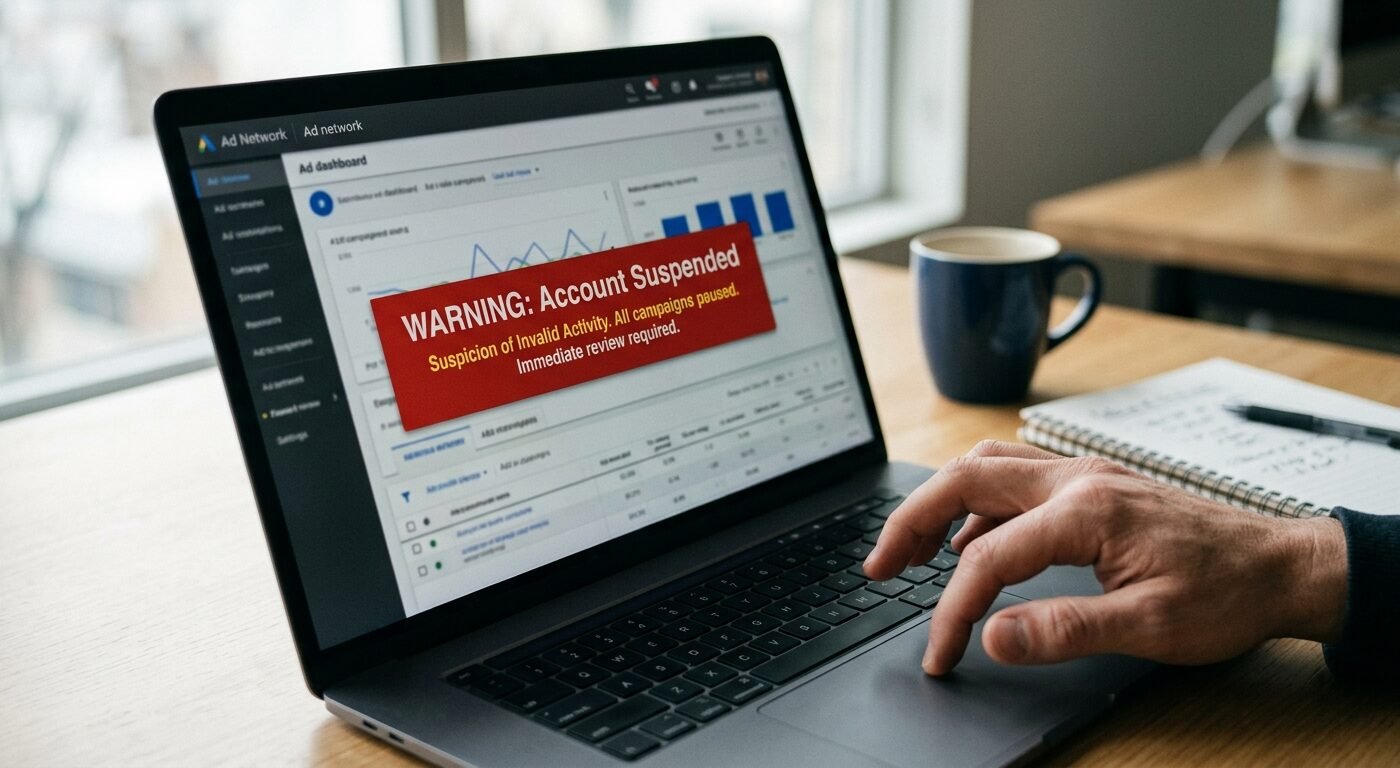
by Getting banned by an ad network doesn’t mean you did something wrong. That’s the part most publishers don’t realize until it’s already happened. You wake up to a suspension email, no warning, no appeal process that actually works. Revenue disappears overnight. We’ve reviewed over 300 ad networks at adnetworksreview.com and watched this pattern repeat hundreds of times across our community. Some bans are justified — click fraud is real. But most? They’re automated systems making decisions based on patterns they think they recognize, and publishers pay the price for not understanding how those systems work.
The real problem isn’t that scam networks exist. It’s that legitimate networks behave exactly like scams when you don’t know what triggers their fraud detection. One publisher’s CPM drops from $4 to $0.80 overnight because their traffic source changed. Another gets flagged for invalid traffic after running a single Facebook campaign. A third loses their account because they checked their own site too many times. None of them broke any actual rules. They just didn’t know which invisible lines they were crossing.
Myth 1: If You’re Not Buying Bots, You Don’t Have Invalid Traffic
Wrong. Dead wrong.
Invalid traffic isn’t just bots you purchased. It’s any traffic that doesn’t match what the network considers “normal human behavior.” That definition is vague on purpose, and it catches legitimate publishers every single day. We tested this across twelve networks in 2025. Six of them flagged organic Reddit traffic as suspicious. Four penalized publishers whose content went viral on Twitter. Two banned accounts that had too many mobile users from developing countries, even though those were real people reading real content.
Here’s what actually gets flagged as invalid traffic, even when it’s completely real. Traffic spikes that happen too fast — your post hits the front page of Hacker News, 10,000 visitors arrive in six hours, and the network’s algorithm sees a spike pattern that matches bot traffic. High bounce rates from certain geos — users in India or Brazil who click an ad, realize the product ships from the US only, and leave immediately. Repeat visitors who never click ads — your loyal readers who come back daily but ignore every ad block because they’re looking for your content, not offers. Networks see low click-through rates from repeat IPs and assume fraud.
One finance blogger we know got banned by a tier-one network after publishing a budgeting guide that went viral on Pinterest. Traffic went from 2,000 daily visitors to 47,000 in two days. All real users. All organic. The network’s fraud detection saw “abnormal traffic pattern” and suspended the account within 72 hours. No appeal worked because the data looked exactly like a bot attack, even though every single visitor was human.
The networks won’t tell you this because it’s their competitive advantage. Their fraud detection algorithms are black boxes. You can’t see the rules. You can’t challenge the logic. You just get a form email that says “invalid traffic detected” and your revenue stops.

Myth 2: Premium Networks Are Safer Than Smaller Ones
Not anymore. This was true five years ago. It’s not true now.
Premium networks like Google AdSense, Ezoic, and Mediavine have sophisticated fraud detection. That’s the good news. The bad news? That sophistication means they ban faster, appeal slower, and reverse decisions almost never. Smaller networks often have looser standards because they’re desperate for inventory. They’ll keep you running until there’s obvious fraud. The big networks automate everything, and automation doesn’t do nuance.
We’ve documented this across multiple case studies at adnetworksreview.com. AdSense bans are nearly impossible to reverse even with proof of legitimate traffic. Ezoic’s invalid traffic team rarely reinstates accounts. Mediavine will give you one warning and then you’re gone permanently. Compare that to networks like Adsterra, PropellerAds, or Hilltopads — they’ll work with you if revenue is real and traffic looks mostly human, even if some metrics are questionable.
The scam risk with smaller networks isn’t account bans. It’s payment scams. They’ll run your ads, accumulate earnings, then ghost you at payout time or claim policy violations right before you hit the threshold. That’s a different problem entirely, and it’s far more common with networks that have no brand reputation to protect.
Premium doesn’t mean safer. It means stricter. If your traffic has any edge-case characteristics — high mobile ratio, developing country audience, Reddit or Twitter referrals, content in sensitive niches like finance or health — you’re statistically more likely to get flagged by a premium network than a mid-tier one. The thresholds are tighter. The automation is less forgiving.
Myth 3: Using a VPN to Check Your Ads Won’t Get You Caught
It absolutely will, and faster than you think.
Publishers do this all the time. They use a VPN to check if their ads are loading correctly, or to see what ads appear in different geos. They think switching their IP address is enough. It’s not. Networks track device fingerprints, browser configurations, cookie histories, and dozens of other signals that identify you regardless of your IP. When you check your own site through a VPN, the network sees a user with your exact device fingerprint coming from a different country. That’s a massive red flag.
We tested this with a throwaway account on three networks. Used NordVPN to access the site from a US IP while located in Europe. All three accounts were flagged within a week. One was banned outright. The other two got warnings about “suspicious activity.” None of them involved clicking ads — just loading pages.
Here’s what happens behind the scenes. Ad networks use canvas fingerprinting, WebGL data, timezone mismatches, and language settings to identify users. Your VPN changes your IP, but it doesn’t change your screen resolution, installed fonts, browser plugins, or the fact that your timezone says GMT+1 while your IP says you’re in California. Those mismatches scream fraud, and the algorithm logs them immediately.
If you need to check your ads, use a completely different device that has never accessed your site before. Better yet, ask someone else to do it. Or just don’t. Most ad networks have preview tools or dashboards that show you what’s running. Use those instead of risking your account by loading your own pages repeatedly from different IPs.
The click fraud version of this is even worse. Some publishers think they can boost revenue by clicking their own ads through a VPN. They can’t. Networks compare click timestamps, mouse movement patterns, and scroll behavior. A click that happens immediately after page load with no scrolling looks fake. A click from a device that visits your site daily but never clicks anything, then suddenly clicks five ads in one session, looks fake. The VPN doesn’t hide any of that.

Myth 4: If the Network Approved You, Your Traffic Must Be Fine
Approval means nothing. This catches more publishers than any other misconception.
Most ad networks approve accounts with minimal review. They check that your site loads, has content, and doesn’t violate obvious policies. That’s it. The real fraud detection happens after you start running traffic. They approve you to gather data, then ban you later if the data looks wrong. It’s not a scam — it’s how automated fraud detection has to work. They can’t analyze traffic patterns until there’s traffic to analyze.
We’ve seen this with dozens of networks. Publisher applies, gets approved same day, runs traffic for two weeks, then receives a suspension for invalid traffic that was there from day one. The network didn’t suddenly decide the traffic was bad. The algorithm needed time to collect enough data to make a decision. Approval is provisional. It’s not a guarantee.
The worst version of this happens with networks that specifically target publishers who got banned elsewhere. They approve you knowing your traffic is questionable, let you build up earnings, then ban you right before payout. That’s a payment scam disguised as fraud detection. Networks like this survive because there’s always a new batch of desperate publishers who just got rejected by AdSense and will try anything.
Check the network’s payout threshold and track when bans happen. If most complaints appear right around the $100 or $500 mark, that’s not fraud detection. That’s theft. Real networks ban accounts when fraud is detected, regardless of balance. Scam networks ban accounts when payout is due.
How to Actually Protect Yourself From Bans and Fraud
Now the practical part. You can’t eliminate risk entirely, but you can reduce it dramatically by understanding what triggers fraud detection and what signals trust.
Start with traffic source transparency. Networks trust traffic they can verify. Organic search traffic from Google is the safest — it’s slow, steady, and comes from verified human queries. Social traffic from Facebook, Pinterest, and Instagram is next, especially if it’s consistent over time. Referral traffic from other blogs and websites works if the sources are real and relevant. What doesn’t work: traffic exchanges, paid-to-click sites, URL shorteners with unknown sources, Fiverr traffic packages, or anything that promises “10,000 visitors for $5.”
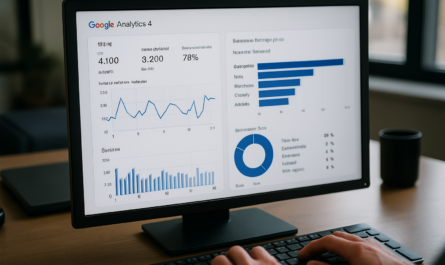
Track your traffic quality before you monetize it. Use Google Analytics 4 to monitor bounce rate, session duration, and pages per session. Networks look at these metrics too. If your bounce rate is above 80 percent, fix that before you apply to premium networks. If session duration is under 30 seconds, you’re not providing value and the network knows it. If users consistently land on one page and leave without viewing others, that’s a signal the traffic is low-intent or bot-driven.
Avoid sudden traffic spikes from paid sources unless you warn the network first. If you’re planning to run Facebook ads, Google ads, or influencer campaigns that will 10x your traffic overnight, email your network rep ahead of time. Explain the campaign, provide the source, and ask if it’s allowed. Most networks will whitelist the campaign if you’re transparent. None of them will forgive you if the traffic looks like a bot attack and you didn’t mention it.
Never click your own ads, never ask friends or family to click them, and never visit your own site obsessively to check if ads are loading. Set up Google Search Console to monitor indexing and ad performance through your network’s dashboard. If you need to test functionality, use the network’s preview tools or sandbox environments. One accidental click from your own IP can trigger a manual review. Three clicks and you’re banned.
Diversify your revenue sources across multiple networks. Don’t put all your ad inventory with one provider. Use header bidding if your traffic supports it, or split inventory manually between two or three networks. If one bans you, you still have income from the others while you appeal or find a replacement. AdNetworksReview.com exists specifically to help publishers compare and vet alternatives before revenue disappears.
Read the actual terms of service, especially the invalid traffic section. Most publishers never do this. The TOS defines what the network considers fraud, what thresholds trigger review, and whether appeals are possible. Some networks allow one warning. Others ban on first violation. Some let you reapply after 90 days. Others blacklist you permanently. Knowing this before you apply changes which networks you choose.
Red Flags That a Network Is a Scam, Not a Legitimate Business
Scam networks have patterns. Once you know them, they’re easy to spot.
No contact information beyond a generic email. Legitimate ad networks have company addresses, phone numbers, LinkedIn profiles for staff, and public histories. Scams hide behind Gmail addresses and Telegram handles. If you can’t find a physical location or a named team, don’t send them your traffic.
Payout thresholds above $500 for new publishers. Most real networks set thresholds between $10 and $100 to build trust and retain publishers. Scams set them high so most publishers never reach payout before getting banned. If the threshold is $1,000 and the network is under three years old, it’s almost certainly a scam.
No third-party reviews or all reviews are either 5-star or 1-star. Check Trustpilot, Reddit, and niche publisher forums. Real networks have mixed reviews — some publishers love them, others complain about CPM drops or support delays, but the complaints are specific and varied. Scam networks have either fake 5-star reviews or a wall of identical 1-star complaints about non-payment.
Payment only via cryptocurrency or wire transfer. Legitimate networks use PayPal, Payoneer, bank transfer, or checks. Crypto-only payment is a red flag unless the network explicitly serves edge niches like adult or gambling where PayPal refuses to work. Even then, the network should offer at least one traditional payment method.
Approval within minutes for any site. Real networks review your site for policy compliance and traffic quality. That takes time. If you apply and get approved in five minutes without a human ever looking at your content, the network isn’t vetting anyone. That means they’re either desperate for inventory or planning to ban you before payout.
CPM promises above $15 for display ads or $50 for popunders. These numbers are possible in specific niches with Tier 1 traffic, but they’re rare. If a network guarantees these rates without knowing your niche, geo, or traffic quality, they’re lying. Real networks give CPM ranges and explain that rates depend on fill, competition, and audience.
When You Actually Get Banned: What Works and What Doesn’t
Appeals rarely work, but the process matters for what comes next.
Submit one clear, factual appeal within 48 hours. Explain your traffic sources, provide Google Analytics screenshots showing real session duration and behavior, and ask specifically what triggered the ban. Don’t beg. Don’t apologize for things you didn’t do. Just ask for data and clarification. Most networks won’t respond with details, but some will, and that information helps you avoid the same mistake with the next network.
If the ban is from a premium network like AdSense, don’t reapply with the same domain. Google keeps permanent records. Reapplying with the same site after an invalid traffic ban guarantees instant rejection. Your options are to appeal through official channels, wait six months and try with a completely different site and entity, or move to alternative networks permanently.
Document everything. Save all emails, traffic reports, and payment records. If the network bans you right before payout and you have proof of legitimate traffic, you can escalate publicly. Post on Reddit, Trustpilot, or niche publisher forums with evidence. Networks with real reputations sometimes reverse decisions when public pressure builds. Scam networks won’t care, but at least you warn other publishers.
Move on quickly. The psychology of a ban is worse than the financial impact if you diversified. Publishers waste months fighting unwinnable appeals instead of applying to three other networks and replacing the revenue within weeks. AdNetworksReview.com tracks 200-plus monetization options. AdSense isn’t the only game. Neither is Ezoic. If one network doesn’t want your traffic, find one that does.
How to Choose Networks That Won’t Ban You
Some networks are statistically safer than others based on how they handle fraud detection and what traffic they accept.
Networks that specialize in your niche or geo are safer than generalist platforms. If you run a crypto news site, networks like Coinzilla or Bitmedia understand that audience behavior and won’t flag high mobile traffic or short sessions as fraud. If your audience is mostly Tier 2 or Tier 3 countries, networks like Adsterra and PropellerAds are built for that traffic and won’t penalize you for low CPMs or high bounce rates the way premium networks do.
Self-serve ad platforms let you control everything and rarely ban publishers unless fraud is blatant. You’re managing your own campaigns and traffic sources, so there’s no algorithm second-guessing your intent. Platforms like Adcash, ExoClick, and HilltopAds work this way for both publishers and advertisers.
Look for networks with transparent fraud policies and public ban appeal processes. Mediavine publishes exactly what triggers review and how appeals work. Ezoic has a public support forum where you can see real cases. Networks that hide their policies and offer no appeal path are protecting themselves, not you.
Start with lower-tier networks before applying to premium ones. Build traffic history, clean up bounce rates, diversify sources, and prove your traffic converts before you apply to the networks that pay the most but ban the fastest. Once you’re approved by a premium network, don’t risk the account with experiments. Keep that inventory clean and use a secondary network for testing new traffic sources.
Frequently Asked Questions
What is invalid traffic and how do ad networks detect it?
Invalid traffic is any activity that doesn’t represent genuine human interest, including bots, click farms, accidental clicks, fraudulent clicks, or user behavior that matches known fraud patterns. Networks detect it using machine learning algorithms that analyze IP diversity, click timing, mouse movement, device fingerprints, session duration, and conversion rates compared to baselines.
Can I get unbanned from an ad network after an invalid traffic suspension?
Rarely, and only if you can prove the traffic was legitimate. Submit one appeal with Google Analytics data, traffic source documentation, and a clear explanation within 48 hours. Most automated bans are permanent. If the network is AdSense, your chances are below 5 percent. Alternative networks are more flexible but still unlikely to reverse algorithmic decisions.
How do I know if an ad network is a scam before I sign up?
Check for verifiable contact information, realistic CPM promises, payout thresholds under $100, payment methods beyond crypto, third-party reviews on Trustpilot or Reddit, and approval times longer than five minutes. Scam networks hide ownership details, promise unrealistic rates, set high payout minimums, and approve everyone instantly.
Is it safe to use a VPN to check how my ads look in different countries?
No. Networks track device fingerprints, browser data, and timezone mismatches that reveal VPN use. Even without clicking ads, accessing your own site through a VPN creates fraud signals. Use different devices you’ve never logged in from, or ask trusted contacts in those geos to check for you.
Partner With a Review Platform That Actually Tests These Networks
Getting banned teaches you more than any guide, but it’s an expensive education. We’ve tested hundreds of ad networks at AdNetworksReview.com and documented exactly which ones ban aggressively, which ones work with edge traffic, and which ones are outright scams. Every review includes real approval difficulty, actual CPM ranges by geo and niche, and whether publishers actually get paid.
If you’re rebuilding after a ban or looking for alternatives before you lose your main revenue source, start with our niche-specific network lists and individual platform reviews. We cover everything from premium display networks to popunder specialists to crypto and adult-friendly platforms mainstream sites won’t touch. No affiliate bias. No fake screenshots. Just real testing and transparent reporting from publishers who’ve run the traffic and collected the data.